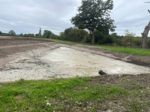
Historic tradition continued as rare trees planted at Boundary Brook
138 new trees from 15 species have been planted at Boundary Brook within Pit Lane Recreation Ground, helping to increase biodiversity, reduce flood risk, and continue a centuries old tradition of planting Native Black Poplars along parish boundaries.
The new trees will bring a range of benefits to the Brook, increasing biodiversity by providing habitats for invertebrates, pollinators, birds and bats, as well as shade for aquatic wildlife. Forming a natural buffer between the water and surrounding land, the new tree line will also filter pollutants and sediments from the surrounding land, significantly improving water quality.
Following the completion of a Nottinghamshire County Council led natural flood management project, the trees will greatly add to the project delivered upstream of an area that has been susceptible to flooding. The canopy will intercept rainfall, increase soil infiltration and reduce rapid surface runoff during heavy downpours. Root systems will also help to bind the soil together in the banks, reducing erosion and stabilising them, which is critical in areas vulnerable to flooding.
20 of the newly planted trees are Native Black Poplars, which have traditionally been used to mark Parish boundaries for centuries. Native Black Poplars are also now recognised as one of the UK’s rarest native tree species, with just an estimated 7,000 remaining, making conservation and planting initiatives such as this especially important.
This project has been funded by a Greenwood Community Forest Trees for Climate Change Grant, and completed in partnership between Broxtowe Borough Council, Nottinghamshire County Council, Greenwood Community Forest, the Notts Biodiversity Action Group, and Stapleford and Trowell Boundary Brook Action Group.
Councillor Bert Bingham, Cabinet Member for Transport and Environment at Nottinghamshire County Council, said: “We’re pleased to support this planting scheme, which builds on our natural flood management work at Boundary Brook. Trees have an important role to play in helping to slow flows and reduce surface water runoff, while creating habitats for wildlife and improving the local environment. These may be young trees now, but in the years ahead they’ll become an important part of the local landscape and, hopefully, something future generations will continue to enjoy.”
Portfolio Holder for Environment and Climate Change at Broxtowe Borough Council, Councillor Tyler Marsh, said: “Tree planting initiatives are always great to see but I’m particularly proud of this project at Pit Lane. We’ve been able to preserve an important part of our natural and cultural heritage, and introduce a wide range of benefits for local wildlife and landscape, while also alleviating some of the flood risk in the local area.”
“This is also a fantastic example of what can be achieved through effective collaboration between Councils and community organisations, which I hope we can see more of in the future.”